
Village Family Project
25 YEARS
Raising a Village… Together.
Village Family Project
Our program offers safe, stable housing and support to people moving from homelessness toward lasting independence. Over 100 people have found a home with us. In 2025 we opened a second residence to expand the program, and today we operate two homes in Seattle’s University District with 20 residents living in the program full time. Residents are encouraged to contribute to the costs of running the program, though many cannot.
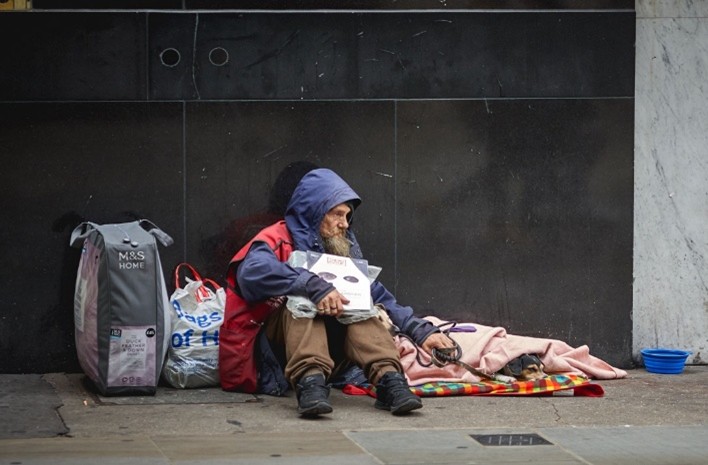
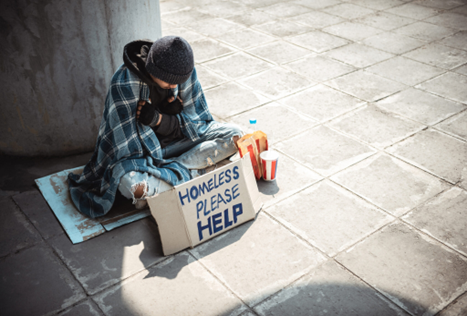
We have taken resident referrals from a number of different community homeless activists, social services workers, churches and food banks. We met some of our residents on the street.
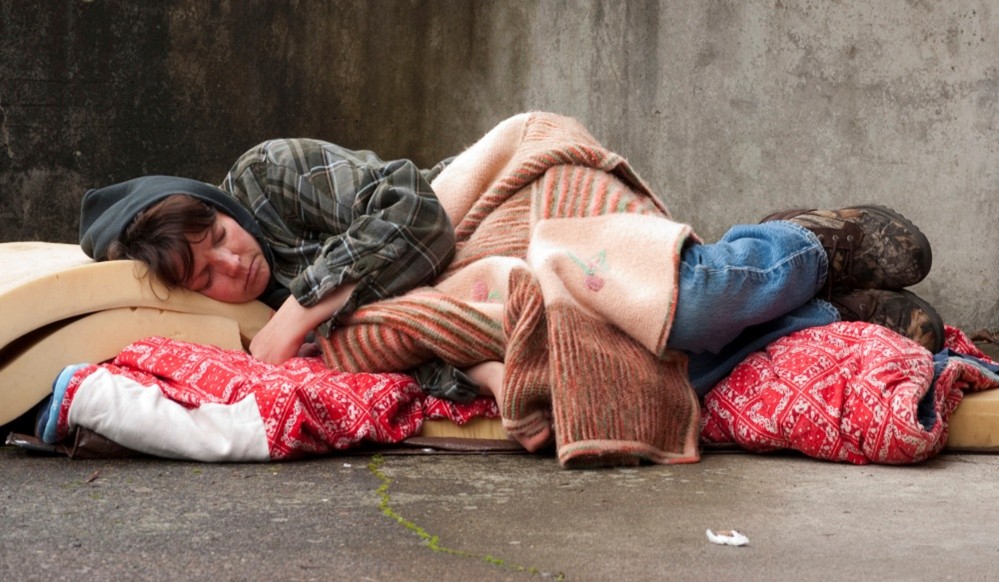
Some of our residents stay for months, others have been with us for years. Our program has grown to support adults of every age, and our current residents range from 25 to 80.
For nearly 40 years, we have offered our support, our concern and our limited resources to neighbors we have encountered on the streets of Seattle. We have encouraged them, advised them, and helped provide them with the tools and the knowledge that might make their existence more tolerable.
Very often we have fed them and helped provide them with clothing, blankets, transportation and other basic needs. We have been joined in our efforts by friends, people from the community, even some businesses. We have had dentists and doctors donate services to people who couldn’t find help on their own. We have referred people to organizations that were in a position to offer help we couldn’t.
Most notably:
- Lambert House
- The Country Doctor
- Teen Feed
- Orion Center
- Friends of Youth
- ROOTS
- YouthCare
- Kerner-Scott House
- NorthStar Advocates
- PSKS (Peace on the Streets by Kids on the Streets)
And sometimes, when we felt there was no other option, some of them came to live with us. More than 100 people have lived with us during that time, moving from homelessness toward stable lives. Some stayed only a few days. Others for months. Some for years.
Many of our residents struggled with addiction, mental health issues, and physical and emotional limitations. Most of them had been abandoned by their birth families, often bearing the physical and emotional scars of abuse and neglect. Many have had serious run-ins with the legal system.
Three of our residents have died shortly after they left us: Charles “Jello” Kueck, Gabriel Solorsano, and Kyle Lakeside. Three beautiful, talented, intelligent young men died before they were 25. Others have been incarcerated for periods of time, but they stay in contact with us and remain part of our family.
Our very first “foster youth,” Jason Kouse, passed last year at the age of 55. Jason worked his way up from a grade school dropout to a job at Boeing as an engineer. He finished his career as the Chief Safety Officer for Amtrak, Boston Station.
Jason got married and raised two wonderful kids. Both of his children also married and have beautiful, healthy children of their own. His youngest graduated from Harvard and is currently a graduate student there in clinical psychology. He works at a community mental health center.
Many of our current and former residents are working productively in the community. Many have graduated high school or earned a GED. Some have gone on to college. Many others have gotten married and had kids of their own. Some have successful careers.
In 2025 we opened a second residence to expand the program. Today 20 residents live with us full time, and we now support adults as well as the young people we first served.

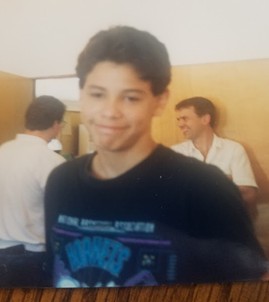
Gabriel Solorsano
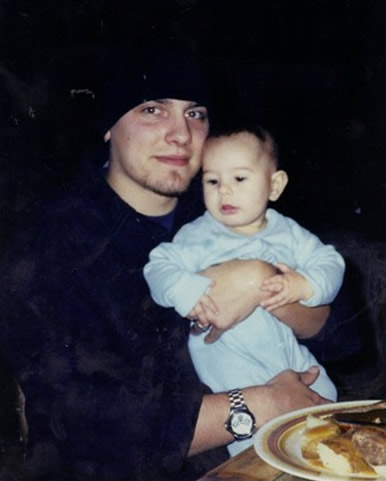
Jason
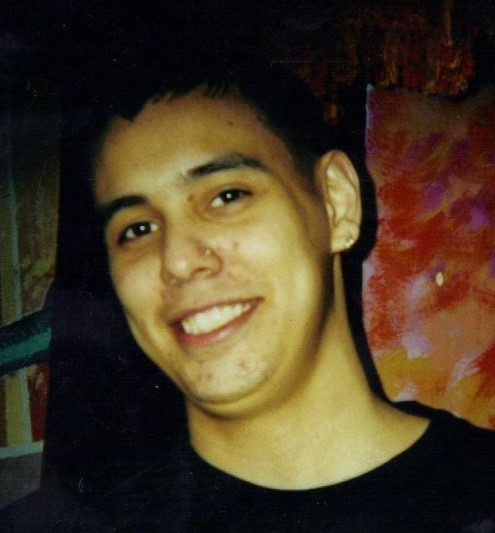
Gabriel
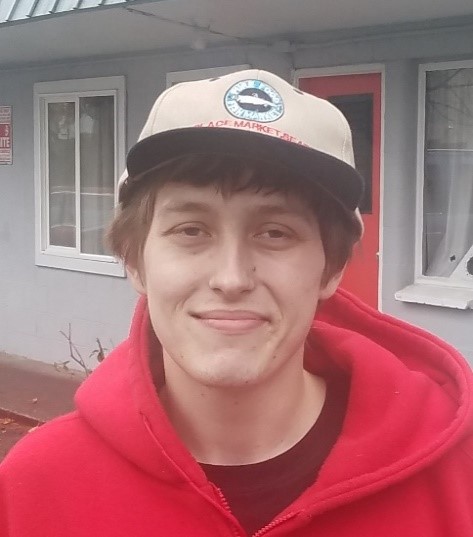
Kyle
Homelessness is a systemic problem that touches not just every major American city, but every city in the Puget Sound region. While there are many root causes, in many cases adverse life events such as a health issue, the loss of a job, or the need to escape a domestic violence situation can quickly catapult our neighbors into homelessness.
More than 40,000 children in the Washington State public school system are homeless.
Many live on the street, in cars or in temporary shelters with a parent. Many do not come forward for assistance, fearing if they are identified as homeless they would be taken away from their parents. But some live alone.
In Seattle, 700 to 1,000 youths have no safe place or trusted guardian. They are on the streets, in cars or couch-surfing because they were abused, kicked out due to their sexual orientation or told to leave because money could not be stretched far enough to house and feed them.
– Gov. Jay Inslee

One-third of homeless youth in King County have been in the child welfare system. Many of them have been in state-sponsored foster care. But the system didn’t work for them.
Young people exiting the foster care system are at higher risk of becoming homeless. When children age out of the system at 18, there is no established pathway for them to attain stable housing, education, or employment. On the street. No home, no family, very few friends.
These young people are in immediate danger from those who lure them with promises of a safe place, then force them into a life of sex trafficking or addiction.
– Mayor Jenny Durkan


Mental Health and Addiction
Drug overdose is currently the leading cause of death among people who are homeless. In King County, more people enter detox for heroin than they do alcohol. In 2018, the 156 opiate overdose deaths were the highest ever recorded in King County – more than triple the number of deaths in 2009.
More than 3,600 people received methadone treatment in King County, but our region’s lack of treatment capacity leaves more than 150 people on a waitlist each day. Methamphetamines, cocaine and other prescription drugs are being used at a rate similar to past years. But IV heroin use, opiate overdose and death rates have more than doubled in the last five years.
Meanwhile, rates of suicide for teens and young adults have skyrocketed. Depression, dysphoria and delusional thought patterns among homeless youth are more than double the rates seen among youth in stable housing.
Yet Washington State ranks 47th in the nation for psychiatric beds per capita. For adolescents, the numbers are even worse.
There is a severe shortage of treatment programs for adolescent mental health and addiction services. It is difficult enough to get into residential treatment if your parents have excellent health insurance, and your living situation is conducive to long-term counseling and support services.
If you are homeless, out of school and without family support, your chances of securing effective residential treatment are close to zero.
People are literally dying in the streets. We can, and we must, do better.
WE NEED YOUR HELP
Cell Phones, Gift Certificates, Rain Gear
Tutors, jobs, and apprenticeships
Village Movers – “Let us haul your junk”
Cash
A Home
We need used cell phones!
We need your old cell phones, tablets and laptops. Sometimes being able to call for help is the difference between life and death. But having a phone also helps return some sense of normalcy to a neighbor who has lost just about everything else. A phone keeps our residents connected to family, friends, work and the services they depend on. We are able to get our residents phone service through a government program called Q Link. It is not perfect, but it is a step in the right direction. The problem is that the phone they provide is very inexpensive and, given the hardships many of our residents face, is often broken, lost or stolen. They don’t have the resources to replace them, and sadly neither do we. So, donations of used phones are greatly appreciated.


Used Blankets and Rain Gear!
Blankets are an obvious need. Homeless people of all ages, sizes, and backgrounds need blankets. Any time we have a surplus of blankets, we distribute them to shelters or directly to people on the street. Realistically, we know we will never be able to get every person off the streets. Indeed, some of them choose to be on the streets. So, we will always be looking for donations of gently used rain gear: jackets, coats, hats, boots and, always, dry socks.
Gift Certificates for Groceries
Once we help residents get in the system, they qualify for a number of different programs, including the Supplemental Nutrition Assistance Program (SNAP), or food stamps. Most times they qualify for about $190 a month for food. That helps tremendously, but we still spend about $1,000 more each month to feed the residents living with us.
Most major grocery retailers have gift cards, and we have been blessed to receive them over the years. It also allows us to send our residents to the store for “supplies,” without having to entrust them with larger bills or subjecting them to sometimes humiliating requests like “Was there any change?”
We Need a Home


CONTACT US
Cash Donations
Cash Donations are always welcomed and greatly appreciated. We can provide detailed reports on how your money is allocated, as well as a tax-deduction receipt. For example:
- General Fund
- Grocery Fund
- Clothing Fund
- Transportation needs – ORCA, Amtrak, Uber
- Recreation – Movie passes, Zoo and Aquarium passes, Pacific Science Center
- Work essentials – Gloves, tool belts, work boots, hard hats, safety glasses
- Home repair and upkeep
- Property Acquisition
- Legal fees
All Cash Donations can be made directly into the Village Family Project bank account, at Bank of America, using the Venmo App.
Or by mail to our secure mailing address at:
The Village Family Project – BOA Account
4730 University Way NE, Suite 104 #1418
Seattle, WA 98105
All Cash Donations can be made directly into the Village Family Project bank account, at Bank of America, using the Venmo App.
Or by mail to our secure mailing address at:
The Village Family Project – BOA Account
4730 University Way NE, Suite 104 #1418
Seattle, WA 98105